


.svg)







.svg.png)


.png)


.svg.png)
.png)


.png)




Search for a tool name, category, or keyword and avoid using statements or sentences.
Let's address the
elephant in the room

Tool Sprawl
It starts with a vision. You have goals. But then you start adding tools. Notion for writing, ClickUp for tasks, Miro for boards, Google for email.
You get an adrenaline rush trying new features, only to realize you're still stuck at square one.
This is Tool Sprawl. Back in 1990, it was five notebooks. In 2025, it's five different SaaS apps.
The result is the same: overwhelmed brains and broken workflows.
DECISION PARALYSIS
KILLS PROGRESS
Any of these sound familiar?

Writing the same task in a notebook, email, to-do app, and Slack, etc.

Planning and configuring tools all day but making zero progress.

Lacking clarity on priorities (and even your mission) because your data is scattered.

Feeling anxiety about your work and checking 5 apps to feel safe.
If you relate, these are all symptoms of decision paralysis,
inevitably caused by tool sprawl. And you're not alone.
21 different Apps
Small businesses with fewer than 50 employees manage an average of 21 separate SaaS applications.
9% of workdays affected
Employees spend up to 9% of their workday switching between SaaS apps, which is nearly half a workday each week or more lost just to navigating tools.
31% of budget wasted
The average company wastes 31% of their software budget, much of it due to unused or unmanaged SaaS tools.
The solution? You need a system.


.png)


The Single Brain System
As a solopreneur, you wear all the hats. So, your goal is not to complicate things. You need a clear mind to focus on output and revenue. A cluttered and complex workspace is a clarity killer.
Visit Solopreneur Hub.svg)
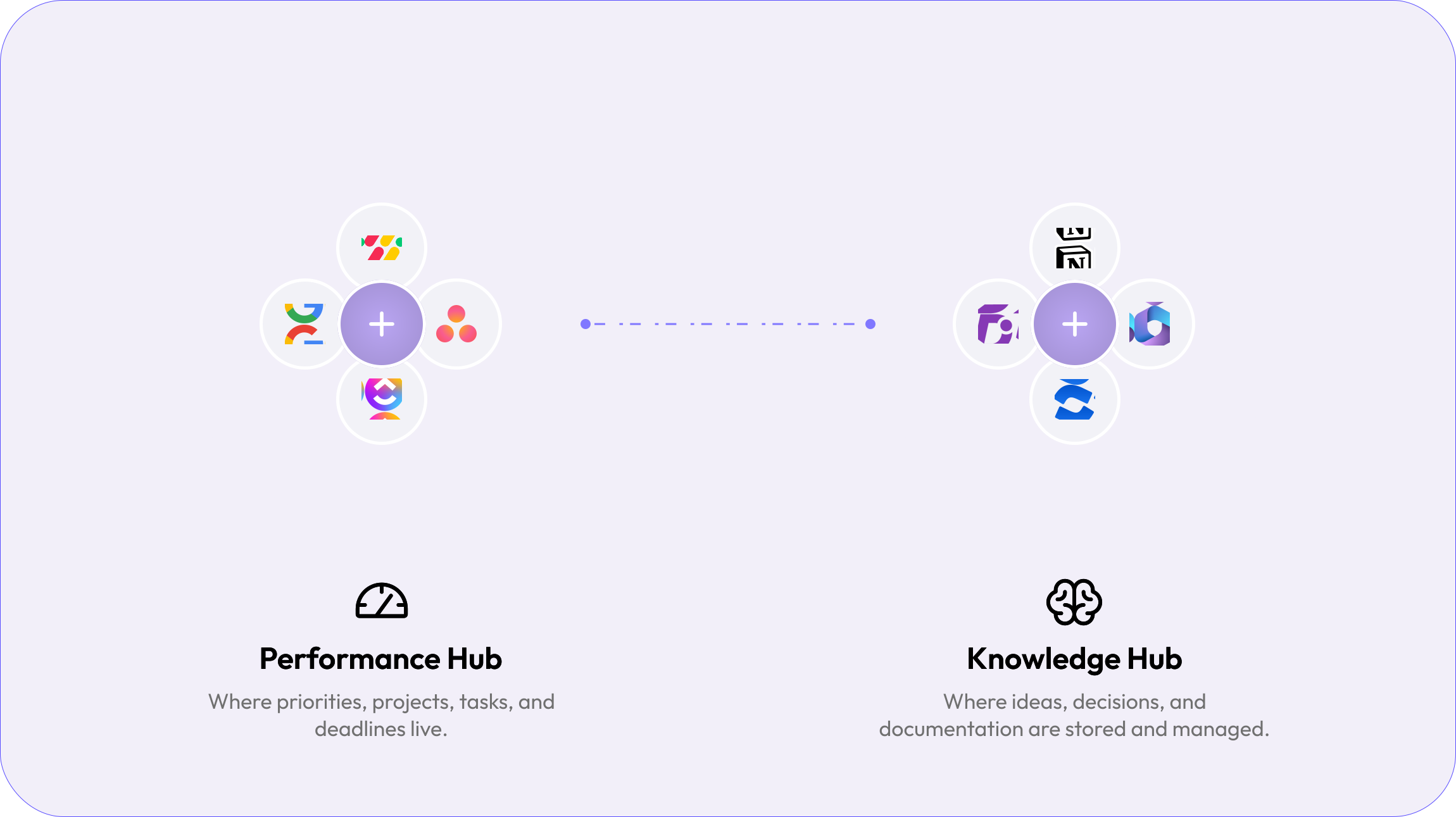
Your system should provide a single location where all your commitments are stored. Every task, project, and deadline goes here. Here is where you make tradeoffs: what you won't do is just as important as what you will.
Your system must offload your brain so it's not carrying everything in working memory. Ideas, notes, client details, SOPs, templates, and decisions are captured here. It's searchable and structured enough to find things, but light enough that you'll actually use it.
Your system must control how people access your brain and your time, so you can actually do deep work. Defined channels like Slack, Zoom, and others set expectations for communication methods, response times, and cadence. You protect performance while staying connected.


The Doppelgänger System
Two brains, one operating system. You and your partner keep your individuality, but run the work through a shared structure and mindset, so you're never out of sync.
You both see the same priorities, projects, and commitments that contribute to the overarching goal and its objectives. You need a shared vision for your strategy, operations, delivery, marketing, growth, revenue, and administration.
You need to operate with shared intelligence. No repeated explanations. No "where's that doc?" You and your partner must proactively document knowledge, decisions, processes, and strategy in one single place to build your shared library you can reference any time.
Stay synced without needing constant contact. Define your connection hub using Slack, Teams, Discord, email, Zoom, etc. Define conventions for your syncs to stay on target and ensure that your async communication is thoughtful, meaningful, and worthwhile.


The Shared Consciousness System
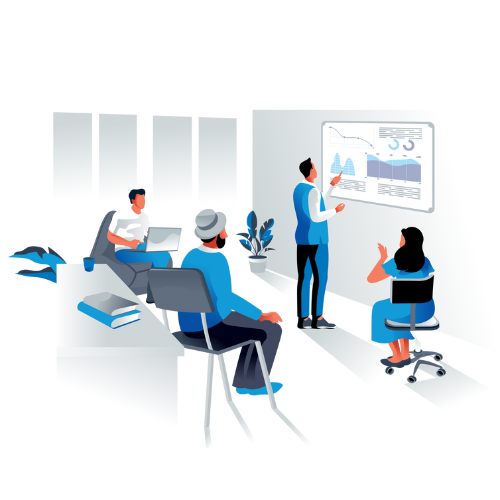
Teams need transparency and accountability without micromanagement. Everyone should be able to see what's happening, when it's happening, why it's happening, and how to move it forward. It's being able to answer at any given moment, "Who is doing what, by when?"
Visit Teams HubYour team needs one place where all active work lives. No private side lists for core work that affects other people. Projects, tasks, owners, dates, and statuses should all be visible to your teammates at a moment's notice. No one should ask, "What are you working on?" or "What's the status?" because they can see it.
Your team should understand what they're doing, how to do it, and how their work contributes to your bottom line. Create a shared space that stores information about how you operate, project or strategy docs, decisions made in meetings, or relevant contextual documentation. People shouldn't just know what to do, they know why and how without DM'ing someone every 10 minutes
Your team needs to stay in sync and move together. You determine where questions go, when to use async vs. sync communication, what to announce to each other and when, cadences for stand-up meetings that are actually effective, etc. Your team's communication model must drive decisions and actions, while reducing chaos and noise.

.png)

Sign up for Workflow Weekly
Gain exclusive access to weekly SaaS reports, productivity templates, guides, and more right in your inbox. 🚀


Discover powerful SaaS combos ✊🏼





.png)

Sign up for a more
productive you
Get our weekly productivity report
We hate spam as much as you do. We will never spam your email nor sell your information to outside parties. For more info, view our Privacy Policy.


